








Close your eyes for a moment and picture the school playground of your childhood.
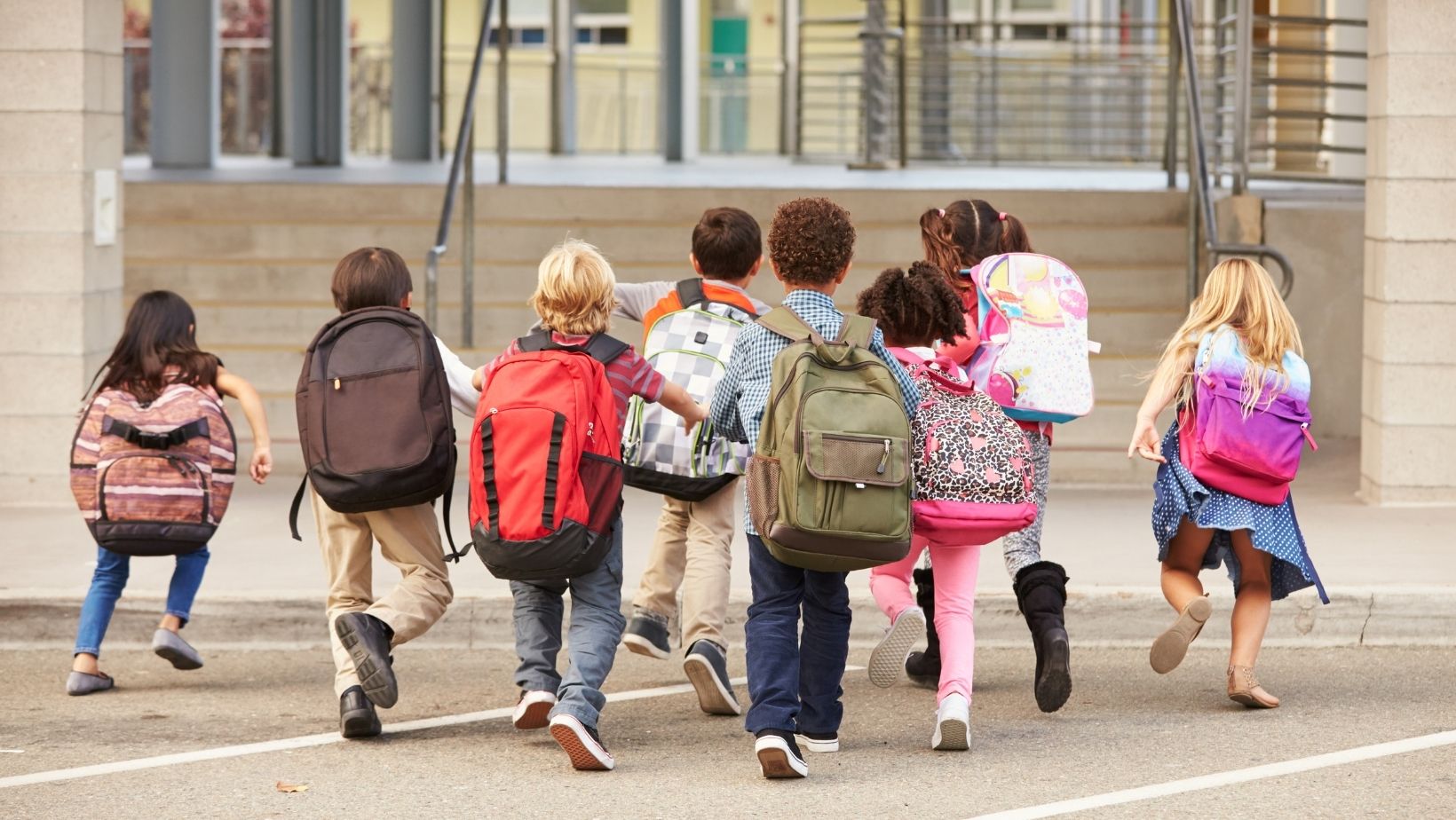
The image that most likely emerges is concrete with the familiar lines of a “hopscotch” game etched into it, a basketball hoop, perhaps a few trees at the edge, and a group of excited children running about. For decades, the schoolyard was considered merely a “necessary” space for children to decompress from the pressures of the classroom.
Today, however, the perception of where and how learning “happens” is changing radically. Modern schools are adopting the concept of the “Third Teacher,” an approach highlighted by the Reggio Emilia pedagogical network, which recognizes that the environment teaches just as effectively as the classroom itself.
Transforming the Gray into a Learning Ecosystem
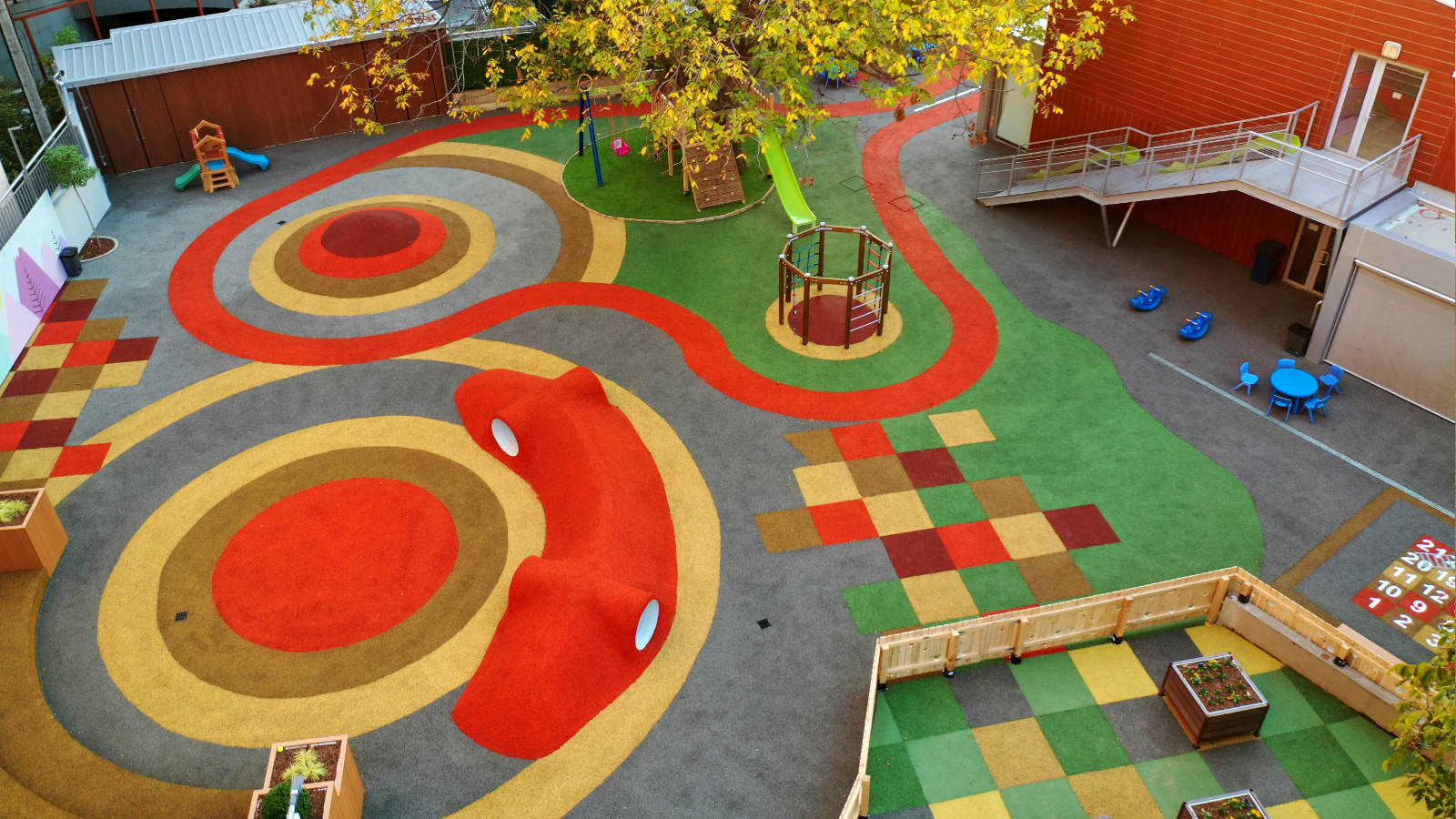
The new era of the schoolyard is not just about replacing asphalt with safety surfacing or installing trendy play equipment. The design of a modern playground within a school must be multifunctional:
-
Action Zones: Spaces where motor coordination is developed (e.g., climbing and balancing).
-
Quiet Zones: Areas where a child can retreat, read, or connect with friends—essential for emotional balance.
-
Creativity Zones: Places where play has no “instruction manual,” allowing children to imagine their own worlds.
Indeed, studies show that free, outdoor play is fundamental to cognitive, social, and emotional development in a way that no digital tool can replicate.
Risk: The “Hidden” Ingredient of Self-Confidence
One of the most vital elements we bring to the playground is “managed challenge.” Research by Ellen Sandseter confirms that play involving manageable risk is crucial for developing resilience. When a child balances on a bridge or climbs, they transform anxiety into self-confidence. Think about it: the child decides to test their limits in total safety, turning tension into creative energy!
Inclusion: A Space for Everyone
Play is the most powerful tool for socialization. Modern design has brought about another positive evolution: the elimination of segregation. A modern schoolyard leaves no child behind. Integrating equipment that allows children of different abilities to play together is not just a technical necessity—it is a social responsibility. A design that fosters coexistence is what will build a society without discrimination, starting from the elementary school break.
The Antidote to Screen Isolation
Do you wonder why the playground is more important than ever in the digital age? Because the screen offers information, but the playground offers experience. Movement and interpersonal communication are the only antidotes to isolation. The playground is the place where a child learns to be “present.”
For us, constructing a playground is not a mere bureaucratic process; it is a commitment to future generations. Using durable, ergonomic, and certified materials, we have been creating spaces that stand the test of time and meet the needs of the school community for over two decades.
Are you planning to upgrade your schoolyard? Contact us to discuss its design.
Investing in Well-Rounded Personalities
The transition to the modern playground represents a shift in mindset. When a school invests in its play area, it is actually declaring that it trusts the child, respects their need for movement, and recognizes that learning is a process that happens everywhere, provided the right environment exists.
The future of education is hidden not only in “smart” boards but in “smart” playgrounds. Because children who learn to overcome obstacles in the schoolyard are the adults who will be able to overcome any challenge in their lives.
It seems to be the perfect time to take learning beyond four walls and allow it to open the door to true adventure!